
If Sweatshops Could Brand
Chinese Production Bypassing American Distribution

In lieu of Trump’s tariffs, Chinese manufacturers started populating TikTok with propaganda, arguing that Americans can dodge price hikes on consumption by cutting out American distributors. Consequently, Chinese e-commerce apps DHgate and Taobao surged in downloads by over 500%, taking the 2nd and the 4th place on the Apple App Store.
In other words… the American consumer bit.
In bypassing the branding and distribution empires of America—dealing with China as directly as possible—the consumer is stating clearly that American branding is not worth the premium it is sold for. They will suffer the shitty pop-up ads with the low frame-rate, animated mascots. They will sacrifice 2 day shipping and free returns. They will open up a Google translate tab next to their WeChat client, texting broken pinyin and reading broken English for their 14 dollar Nikes. They will do all of this and more, if only to escape the unjustifiable price of the American service economy.
How’s that “Buy American” thing going, again?
It seems America understands that there’s nothing American to buy anymore. I mean, save for a Tesla, an iPhone, SaaS, or a Predator missile. Gibson’s quality control has been abysmal for decades, and Chinese Stratocasters have long been understood to be the best value guitars in the Fender catalogue. GM has been a laughing stock since the inception of Toyota. Harley-Davidson has aged so brutally as a business model that their flagship is now a thirty-thousand dollar tricycle. All that’s left are the brands, and the consumer seems to struggle to find the point of their cost.
On Branding
How much would China be worth if it could just figure out graphic design? I suspect that if China could move from the “Made in China” sticker to appealing box art, logos, and Western branding, the country would very quickly rise in its dominance of global trade.
Branding—superficial as it may be—has been a crucial obstacle to China’s ascendency in global markets. Good branding is a token of trust to the market you want to capture. It should convince the purchaser that the vendor will fulfill their order, rather than scam them. China hasn’t really developed that trust yet.
For example, let’s take a look at JD.com, China’s premier competitor to Amazon’s business model. JD’s logistics infrastructure is nothing short of a technological marvel, even beating out Amazon’s sophistication in warehousing.
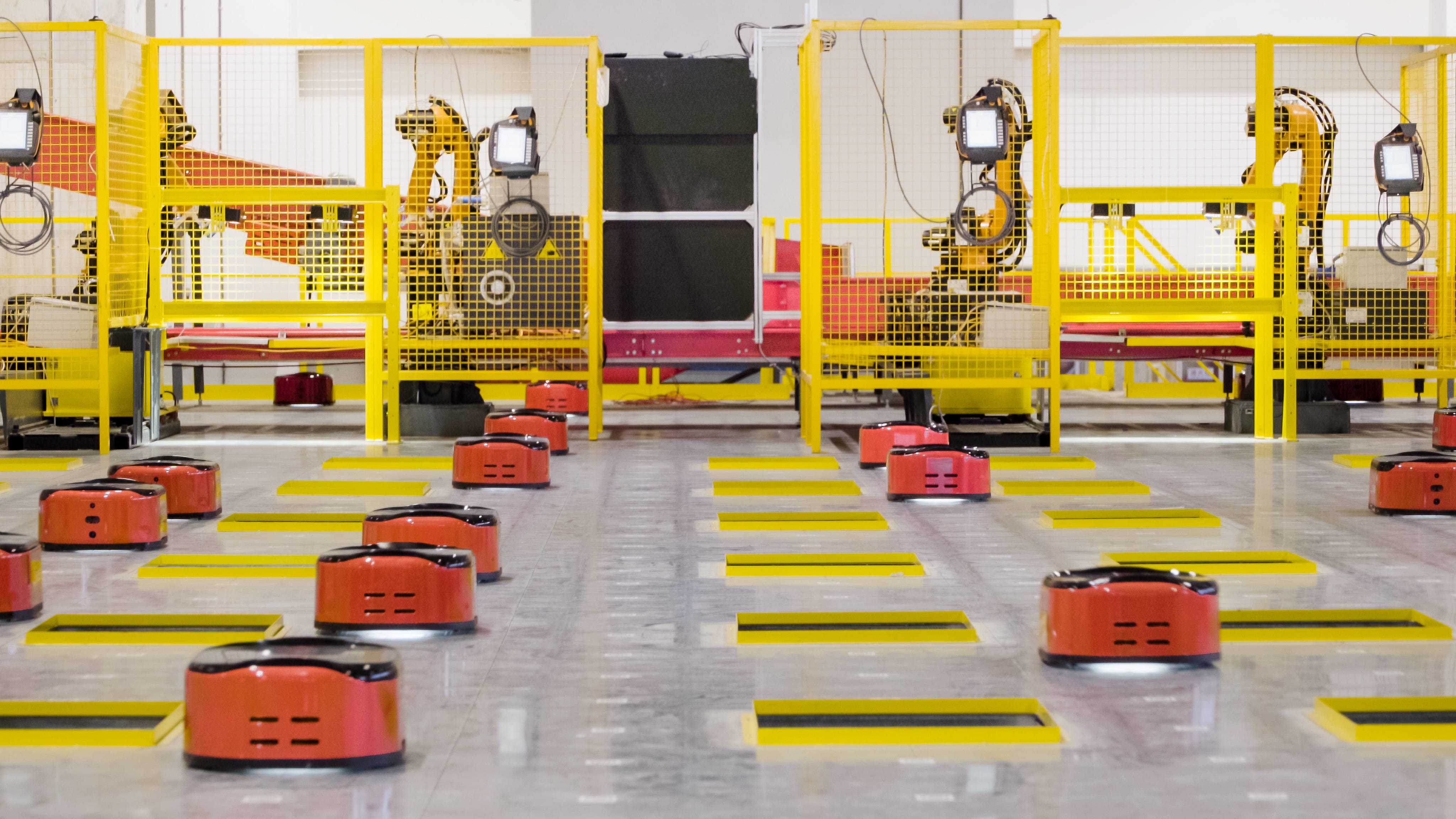
While Amazon hires warehouse workers under the stated pretense that they will burn out in two years, JD has achieved human-free warehousing and last-mile delivery automation—something that Amazon has only dreamt about. JD bears the most advanced logistics infrastructure yet created. The fundamentals of their business model are as strong as anyone could tout, but they’ve built all of this without so much as a whisper in the west.
Why?
Well, let’s look at their website.
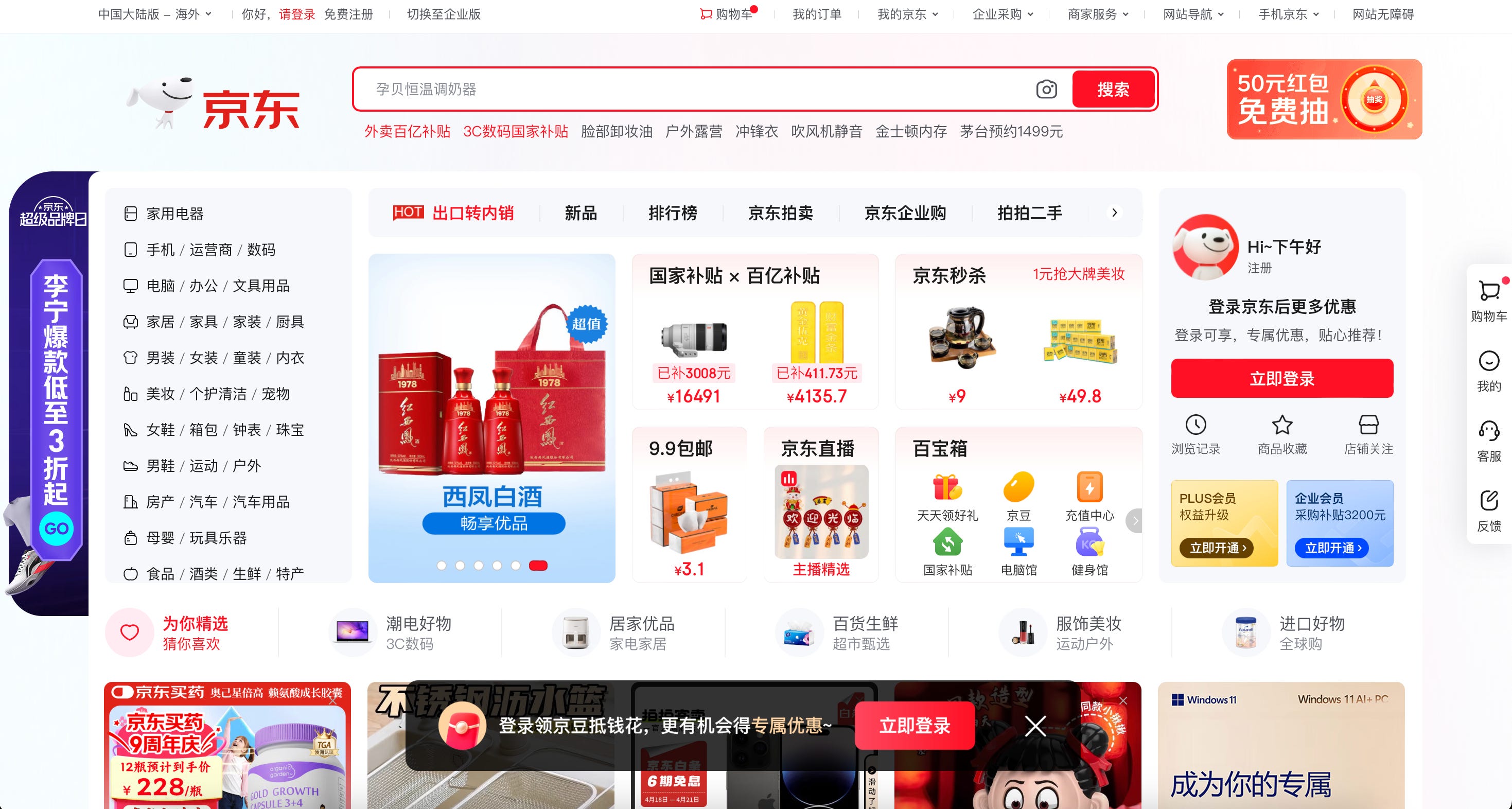
Yeah… it’s ugly and it looks cheap. Who knows why, but the inertia this UI imposes on a Western consumer is immense and undeniable. I’ve gotta think about exchange rates, vendor safety, and product authenticity. As a capper, the dog mascot just makes the whole thing look like a joke. The website blitzes the viewer with pressured advertisement, imposing the much the same offensive discomfort of walking through a Vegas casino.
It’s not just the Chinese, either. Take a look at their translated global website.
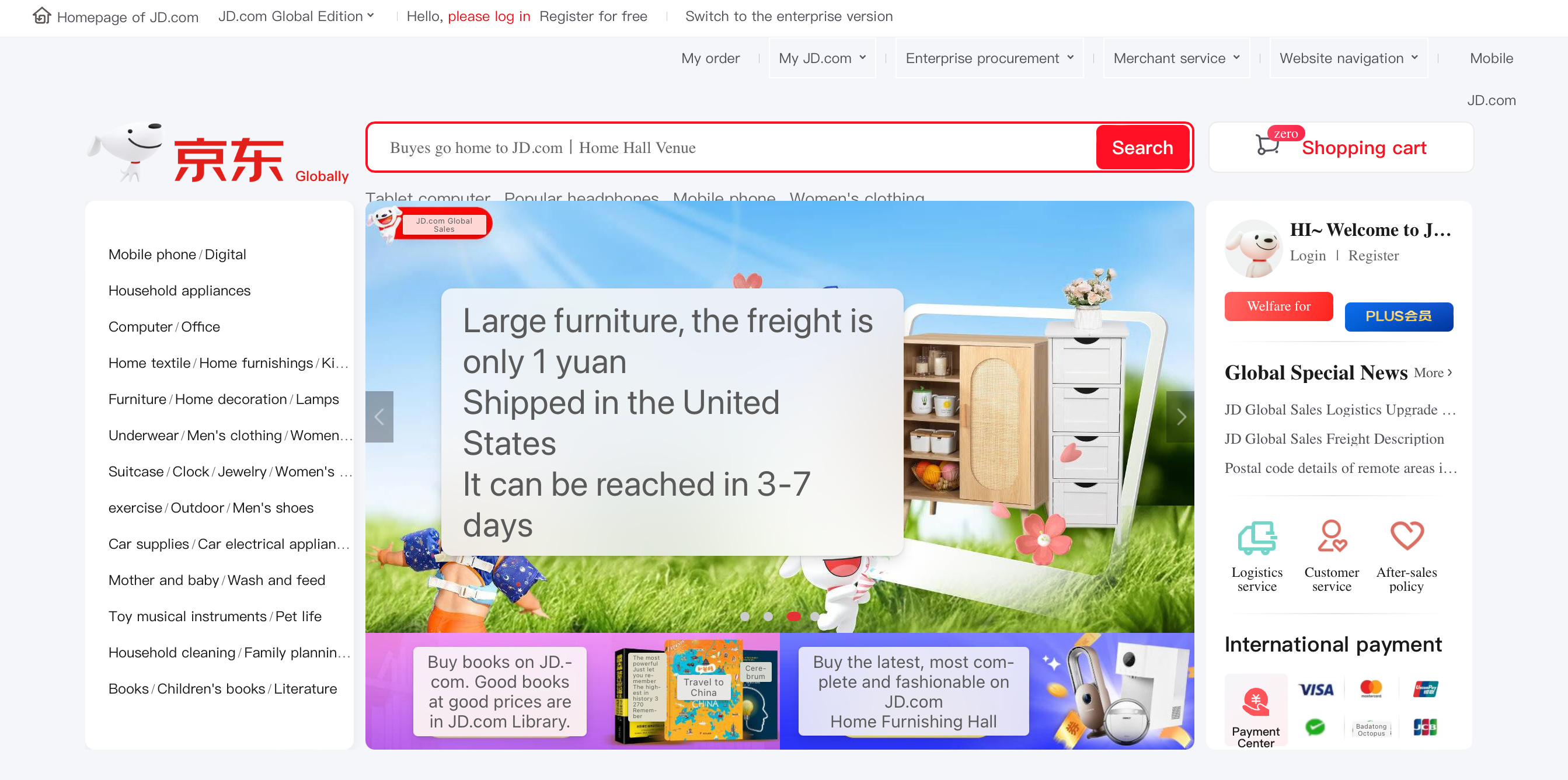
Be honest: Does it look like the most sophisticated e-commerce enterprise ever made?
Of course it doesn’t… and the discrepancy is important. As an escrow service, an e-commerce enterprise would first earn its trust through the visuals of its landing page. Trust is everything for an escrow service. At the point of service, a customer has to be convinced that they will get what they pay for.
In the case of JD.com, this is hard to achieve. A single purchase for an American would include reliable warehousing, international shipping, customs, and currency exchange. But the consumer isn’t doing research on the logistics infrastructure. A purchase takes a minute, and that research would take hours. The consumer just sees a website that looks 2 decades out of date, and predictably assumes that it’s kinda sketchy. It’s uglier than any website that could pay for Squarespace. Why would anyone imagine that this website was the front end to Amazon’s heir apparent?
But now, Americans don’t care. Ugly is fine because American prices are uglier. It’s not even economically viable to engage with American branding. Much less is it sound. It’s no big secret to the consumer: it’s all Chinese, anyways.
Just buy it direct.
Hollow America
If China decided to poach 100 American web-designers to do facelifts on their largest businesses, how would that affect their role in international markets? Solid front-end web design is substantially less complicated than the deep, infrastructural R&D investment JD has already done. It would be barely a drop in the bucket of their capital expenditures to guarantee better branding, particularly for Western markets. It’s such a no-brainer that it should be seen as inevitable, and it seems China has gotten its opening to strike.
The American consumer has already started to abandon American service providers, and the conditions for the American service economy will only get worse. Tariff-induced drawdowns were paused before they even started to do anything, brain drains haven’t yet started, international fulfillment is underdeveloped in the Chinese economy and Chinese branding is still crap. If America has already lost its leg to stand on, just imagine all of the added insult to injury these negative pressures will come to bring.
Forget standing: America won’t even be able to sit because she will have lost her ass completely.
China spent the last half-century gutting global markets for capitalization of the most hard-won, long-term intensive sectors, and yet, it holds a mere fraction of America’s nominal wealth. As complimentary economies, there are basically two things that remain for China to eat with respect to total cannibalization of the global (non-military) economy:
Financialization
Service branding
For the first, this can break if the rest of the world finds America unnecessary and annoying. For the second, a few web designers.
As of 2022, China was valued at 85 trillion USD and the US was valued at 199 trillion. China can inherit the bulk of US capitalization if they can cover the aforementioned distance in branding and financialization. Which can be paid for—what—a few salaries and a few bad days for a few heads of state? That’s an arbitrage value of… 199 trillion dollars! It would be, without a doubt, the most efficient market play in all of history.
I kid.
Still, the spirit of this argument holds. Much of the value gap between America and China is illusory, and what’s worse? Americans know. Purchasing habits say the bubble is being observed by the people with the absolute least to gain from it popping. So how long can this really last for?